Claude Can Now Control Your Mac. You Don't Even Have to Be There.
On March 23rd, Anthropic shipped Computer Use - a feature that lets Claude control your Mac. Click, open apps, fill in documents. While you’re not even there.
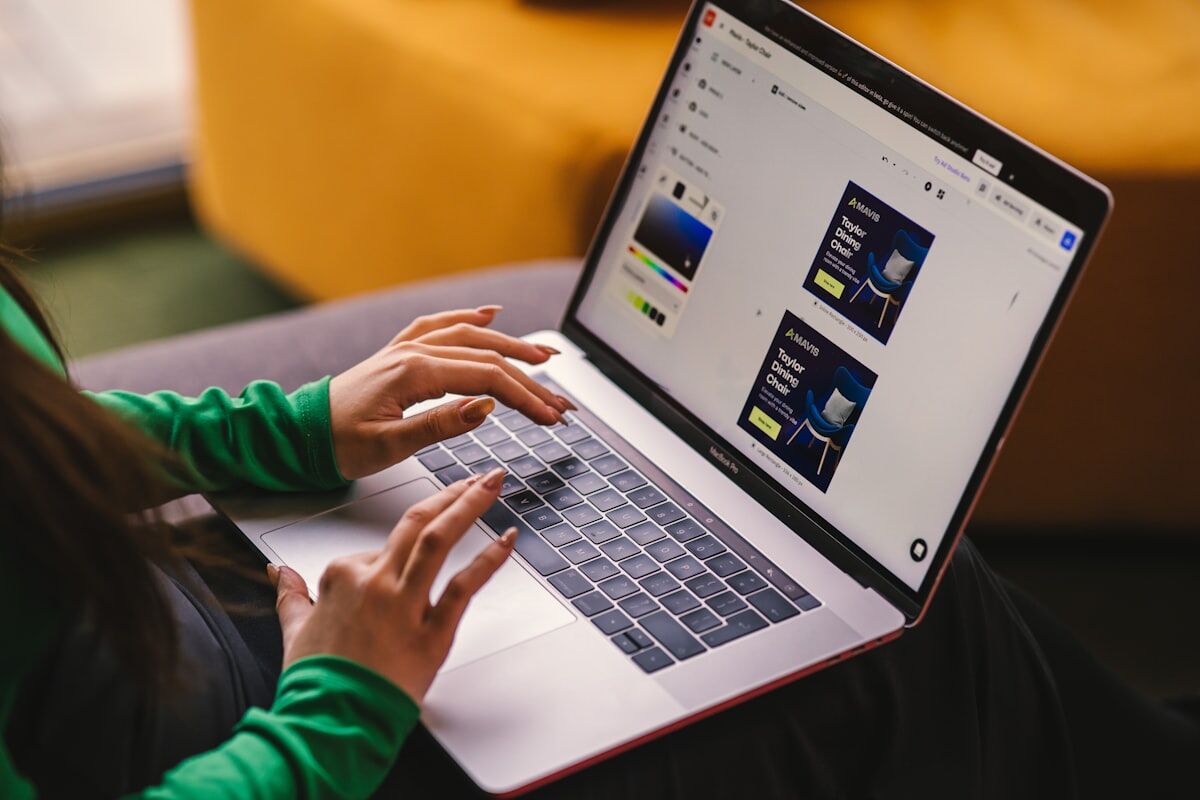
The name is exactly what you think it is - Claude can now control your Mac. Click. Scroll. Open apps and browsers. Fill in spreadsheets. Do exactly what you’d do sitting at your desk. Except you’re not there.
Dispatch - send from your phone, come back to finished work
Combined with Dispatch, released the week before, the workflow is simple: you send Claude a task from your phone, and it executes it on your computer while you’re away.
Anthropic’s demo shows a user running late for a meeting. They text Claude from their phone: “Export the pitch deck as PDF and attach it to the calendar invite.” Claude opens the app, exports, attaches, done.
You leave the house. You come back. Work’s done. By AI.
How it actually works
The system is smartly designed. Claude first checks if it has a direct connection to the app in question - Google Calendar, Slack, etc. Only when that doesn’t exist does it fall back to mouse and keyboard control - doing what a human would do sitting at the screen.
Every new app requires user permission. Anthropic built in automatic scanning for attempts to manipulate the AI through content visible on screen. You can stop Claude at any point.
For now it’s a test version, Mac only, Pro and Max subscribers only.
Financial context
Claude Code - Anthropic’s coding tool - is reportedly earning at a pace of $2.5 billion per year. In January it was $1 billion. Even if that’s an approximation - the growth rate is staggering.
This is also Anthropic’s answer to OpenClaw - the open-source AI agent that went viral in early 2026 and was acquired by OpenAI.
My take
This is the moment “AI assistant” stops being a metaphor. It’s not about answering questions in a chat window anymore. It’s about AI that does things on your computer - opens files, sends emails, prepares documents.
Right now it’s an early version, on one operating system, with limitations. But the direction is clear. The question isn’t “will AI do our tasks” - it’s “how fast.”
This is part of AITU #02 - a weekly roundup of AI and tech news.